

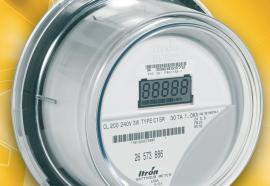
Smart meter

Special Section On Metering: Thinking Smart

Legislation and technology developments give a jump-start to smart metering

What a difference a year makes. In 2004, automated metering infrastructure (AMI) was in something of a slump, but the Energy Policy Act of 2005, an uptick in natural disasters, and encouraging results from pilot projects have strengthened the business case for investing in AMI.

What a difference a year makes.

In 2004, the automated metering industry was in something of a slump. After the 2003 Northeast blackout, and facing rising gas prices and diminished investor confidence during a time of war, many utilities put automated meter reading (AMR) on the back burner.

Energy Technology: Winner Take All

A review of which technologies and companies stand to win and lose as a result of the 2003 blackout.

After the blackout, the electric industry once again finds itself at a crossroads, confronting it with three basic choices. The authors observe which technologies and companies will win and lose as a result.

IT Security: Who's Investing In What?

Regulatory and market forces put the pressure on information technology to perform.

Regulatory and market forces put the pressure on information technology to perform.

Technology isn't in the driver's seat at some energy companies, but it's not as if those companies have reverted to using typewriters, carbons and rotary dial phones. In fact, it's beyond dispute that information technology (IT), in particular, can improve business performance-and nothing is more important to energy companies right now. But with slashed budgets and collapsing credit ratings, how should energy companies spend their precious IT dollars?

Integrating Metering & Information Systems

YEAR 2000. MILLENNIUM. DEREGULATION. Each word strikes fear into the heart of meter manufacturers and utilities alike. Like the turning of the century, deregulation is coming for the electric utility industry, and sooner than we think. How will it affect the metering industry?

The first real indication can be found in California. There, by order of the state public utilities commission, the customer's energy supplier (the energy service provider or the utility distribution company) will, for the time being, own the meter.