
Law & Lawyers

RTOs and the Public Interest

Defining the mission when the consumer plays second-fiddle to the needs of the market.

Six months back, when ISO New England was mulling over various reforms that FERC had mandated last fall in Order 719 for the nation’s six regional transmission organizations and independent system operators (RTOs and ISOs are interchangeable terms in this column), the ISO refused point blank to include in its mission statement a proposal by stakeholders that it should operate the bulk power system at the “lowest reasonable cost.”
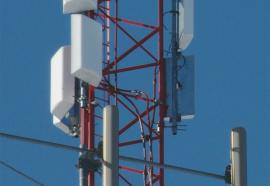
Smart-Grid Strategy: Why Wireless?

Radio waves deliver flexibility and security.

The concept of a wireless smart grid is gaining popularity. Some utilities are participating in pilots providing two-way secure radio frequency network coverage. They say the grid is well suited to wireless and the benefits only now are becoming known.

Sunrise

The future looks bright for distributed PV.

The future looks bright for distributed photovoltaics. New technologies and government policies are driving a revolution in PV manufacturing. But a robust national distributed generation system requires a grid that can accept two-way control of electrons.

Smart Grid: Wholesale Market Realities

Granular customer data will revolutionize megawatt markets.

Advanced metering and other smart technologies will allow more granular monitoring of conservation efforts, making them highly predictable for resource planning and system dispatch. Eventually, the smart grid will erase distinctions between wholesale and retail markets.

The Fortnightly 40

The 40 Best Energy Companies

(September 2009) The industry’s best companies are weathering the financial storm reasonably well, with the F40 delivering equity returns in the 14-percent range for fiscal 2008. However, falling sales and rising costs are putting heavy pressure on balance sheets—and on regulatory relationships. Companies that balance customer value and shareholder value will be most likely to thrive in the new normal.

Bringing Customers On Board

Realizing the benefits of smart meters.

Information is power, and through smart technologies utility customers will gain access to that information. The challenge faced by utilities is to harness consumer benefits by boosting customer acceptance and participation in programs designed to lower system expenses.

Letters to the Editor

(October 2009) In his article “Paradox of Thrift, author James M. Seibert looks to be calculating his average service lives as the reciprocal of depreciation rates, whereas utility depreciation rates reflect both life and net salvage. For electric utilities, the cost of removal for most types of transmission and distribution property exceeds the salvage, resulting in the net salvage component having the effect of increasing the rate.

Stakeholder Collaboration

Consensus building is an imperative and educational art form.

With public opposition rising against almost any kind of utility project or investment, collaboration among stakeholders with widely divergent points of view never has been more critical. Three recent utility cases demonstrate how a formal stakeholder collaboration process can build support for otherwise contentious decisions.