

Building the Future
At Exelon, Calvin Butler is CEO, Mike Innocenzo is Chief Operating Officer, and Sunny Elebua is SVP and Chief Strategy & Sustainability Officer. Amber Young is Vice President of Transmission and Substations at PHI.
The utility industry is navigating one of the most consequential periods in its history. The demand for electricity is growing at an unprecedented level. New technologies like AI are changing how energy is used and managed. Extreme weather is putting more pressure on the grid. And the supply shortage has created an affordability crisis for customers and communities.
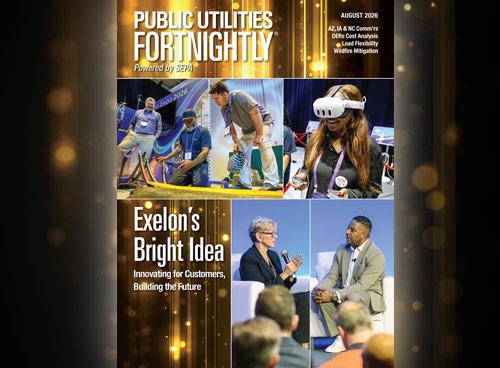
Exelon hears customers’ frustrations and shares them. This moment calls for new solutions and innovations that put customers first. At Exelon, those challenges have reinforced a simple belief: innovation starts with people.
That philosophy was on display at the 2026 Exelon Innovation Expo, where employees from across the company showcased practical and innovative solutions designed to improve safety, strengthen reliability, and keep bills as low as possible — all key pillars of the Exelon Promise, the commitment to the communities Exelon serves.
The technologies on display were designed by employees who have a deep dedication to the communities where they live and work. Every idea started the same way: with someone who saw an opportunity, challenged an assumption, or found a better way to solve a problem to deliver value for customers.
This year’s Expo theme — “Bright Ideas, Bold Futures” — captured both the spirit of the event and the challenges facing the industry. The bright ideas were on display throughout the Expo floor: employee-driven solutions designed to improve safety, reliability, and keep bills as low as possible.
From field operations and engineering to customer-first programs and protections, analytics, AI, and regulatory strategy, the Expo demonstrated a simple truth:
At Exelon, innovation isn’t only a technology story. It’s also a people story.
Exelon President and CEO Calvin Butler: The Philosophy of Innovation
PUF’s Rachel Bryant: You place a massive emphasis on employee-driven ideas. Where does that belief come from?
Calvin Butler: I think the best ideas often come from the people closest to the work, who also live and work in the communities they serve. They understand where processes can improve, where work can be safer, and where we can deliver greater efficiencies, improve protections, and work on solutions to keep bills as low as possible.
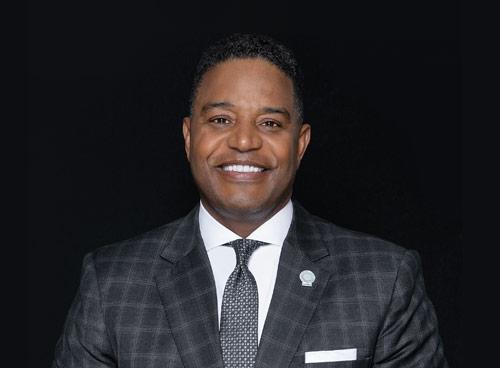 Calvin Butler: I’d argue that affordability is one of the strongest reasons to innovate.
That’s why we’ve worked hard to create a culture where people feel empowered to bring innovative ideas forward. When people hear the word innovation, they often think about technology. Technology matters, but innovation starts much earlier than that. It starts with curiosity. It starts when someone asks, “Can we do this better?”
In a period of rapid change across our industry, that mindset is more important than ever. Innovation isn’t something that belongs to one team or one department. It’s a responsibility we all share.
PUF: When you walk the Expo floor and see an employee presenting an innovation, what goes through your mind?
Calvin Butler: Pride. What makes the Expo special is seeing employees take ownership of a challenge and build a solution, keeping customers at the forefront of their work.
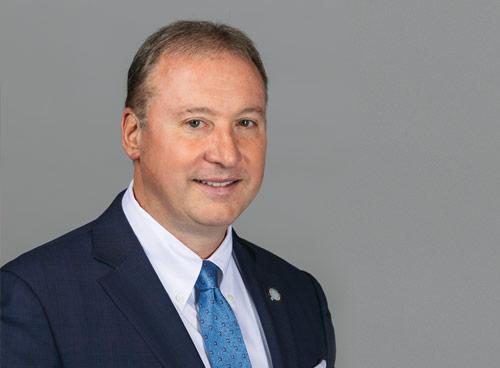 Mike Innocenzo: Innovation isn’t separate from operations. It’s part of how we get better. When employees are encouraged to challenge assumptions and propose solutions, the entire organization benefits.
Many of the projects started with a simple observation: a task that could be safer, a process that could be faster, or a customer outcome that could be improved. Those ideas matter because they’re grounded in real experience.
The strongest innovations are often the simplest ones — the ideas that make it easier for employees to do their jobs and deliver better results for customers.
PUF: How do you answer critics who say innovation and affordability can’t coexist?
Calvin Butler: I’d argue that affordability is one of the strongest reasons to innovate.
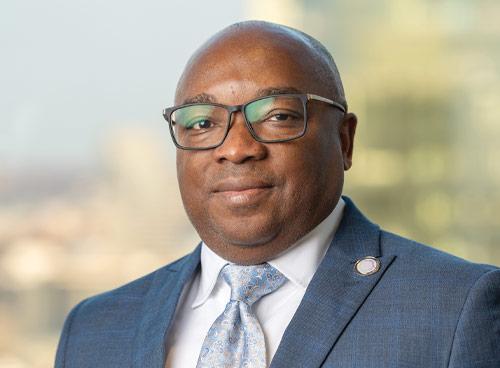 Sunny Elebua: Innovations help support customers, improve reliability, strengthen resilience, manage costs, and prepare the grid for the future. That’s why the ideas showcased at the Expo are so important.
Customers are feeling financial pressure. They expect us to be responsible stewards of every dollar we spend, and that’s exactly how we approach the work.
Affordability can’t be something we think about after the fact. It has to be built into how we operate, how we invest, and how we innovate. That’s why we launched the Exelon Promise, which includes innovative solutions to control costs and protect the customers we serve — now and over the long term.
The goal isn’t to pursue technology for technology’s sake. The goal is to find smarter ways to solve problems.
Whether that’s improving reliability, preventing outages and more quickly restoring power, reducing operating costs or helping employees work more efficiently, innovation should create value. At Exelon, the innovations that matter most are the ones that help us better serve customers and deliver on the Exelon Promise. Done right, innovation and affordability reinforce one another.
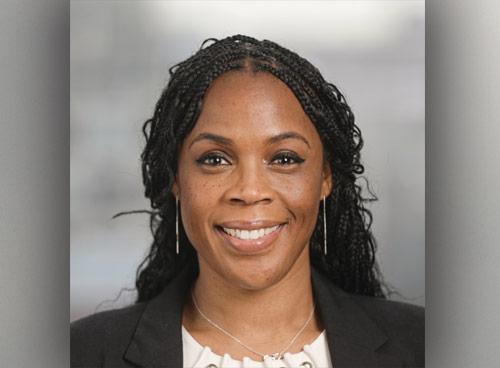 Amber Young: Employees receive training, procedures are established, and results are monitored closely. Innovation should improve safety – not create new risk.
PUF: If you could sit down with every utility commissioner in your footprint, what do you wish they understood about fostering innovation?
Calvin Butler: I’d start with the fact that we’re all working toward the same goal: safe, reliable, affordable energy for the communities we serve.
The challenge is that the energy landscape is changing rapidly. Demand growth is accelerating. Electrification is expanding. AI and data centers are creating new opportunities and new pressures on the system.
The pace of change means utilities are key partners to learn, adapt, and test new ideas responsibly. This means creating pathways to evaluate solutions, gather evidence, and assess where they deliver value to customers before deploying them more broadly.
I’d also emphasize that innovation isn’t limited to technology. Some of the most important innovations are operational, regulatory, or policy solutions that help us balance growth, affordability, reliability, and customer protection.
The more we can create room for thoughtful experimentation and practical problem-solving, the better positioned we’ll be to meet the challenges ahead and continue delivering for customers.
Exelon Chief Operating Officer Mike Innocenzo: Operations and Strategy
PUF: Mike, what does the Expo mean to you?
Mike Innocenzo: The Expo is proof that innovation is happening throughout the company.
You see that in the range of ideas on display — from affordability-focused solutions and grid modernization efforts to AI applications, workforce tools, and operational improvements. The projects may be different, but they’re all connected by the same goal: helping us serve customers better.
What I appreciate most is that these aren’t theoretical concepts. They’re practical solutions to real challenges.
Every exhibit began with someone who saw an opportunity and decided to do something about it. That’s what makes innovation at Exelon different. It’s built into how we operate.
PUF: Why does that kind of culture matter operationally?
Mike Innocenzo: Because operational excellence depends on continuous improvement.
The work we do is too important to assume there’s only one way to solve a problem. Every day, employees find opportunities to improve processes, eliminate friction, reduce risk, and operate more effectively.
Innovation isn’t separate from operations. It’s part of how we get better. When employees are encouraged to challenge assumptions and propose solutions, the entire organization benefits.
PUF: Once a pilot succeeds, how does it scale across the company?
Mike Innocenzo: First, it has to prove value. Did it improve safety? Reliability? Efficiency? Customer outcomes? If the answer is yes, we look closely at why it worked and whether that success can be replicated elsewhere.
One advantage of operating across six utilities is the ability to learn from one another. A good idea developed in one territory can often be adapted and improved in another.
The goal isn’t simply to copy something. It’s to understand what made it successful and build a framework that others can use. That’s how local innovations become enterprise-wide capabilities.
Exelon SVP and Chief Strategy & Sustainability Officer Sunny Elebua: Intersection of Strategy and Innovation
PUF: How do strategy, sustainability, and innovation intersect?
Sunny Elebua: For me, innovation is how strategy becomes reality. Strategy gives us direction. Sustainability helps us think long term. Innovation helps us solve the challenges that stand between where we are today and where we want to be tomorrow.
The strongest innovations don’t solve just one problem. Innovations help support customers, improve reliability, strengthen resilience, manage costs, and prepare the grid for the future. That’s why the ideas showcased at the Expo are so important.
Whether the focus is customer experience, affordability, climate resilience, grid modernization, or workforce development, each one reflects a different way we’re preparing for a more dynamic energy future.
Innovation isn’t a one-day event or a single initiative. It’s a capability we’re continuing to build across the company.
PUF: Since Exelon is a pure T&D company, how does that shape how you evaluate new technologies?
Sunny Elebua: Evaluating any new technology starts with a simple question: does it help us operate a better system?
We’re looking for customer-focused solutions that improve reliability, visibility, efficiency and safety. Technology has to solve a real problem. It has to fit into how utilities operate and create measurable value.
The most successful innovations are usually the ones that are practical, scalable, and easy for employees to adopt.
PUF: What do you wish regulators understood about funding early-stage pilots?
Sunny Elebua: A well-designed pilot is a risk-management tool. It allows us to test ideas, gather data, and determine whether something creates value before we make larger commitments.
This is especially important at a time when the industry is facing significant change and evolving customer expectations. Pilots help us make smarter decisions because they’re grounded in real-world results, not assumptions.
PHI Vice President of Transmission and Substations Amber Young: Scaling Across the OpCos
PUF: Why does employee-driven innovation matter to you as an OpCo leader?
Amber Young: Because the people doing the work often know the work best. Many of the strongest ideas come from employees who encounter a challenge firsthand and want to improve it. Creating an environment where those ideas can surface helps all of us become better operators and better problem-solvers.
PUF: How do you design a pilot that can work across multiple jurisdictions?
Amber Young: You start by focusing on the problem you’re solving. The clearer the challenge, the measures of success, and the lessons learned, the easier it becomes to evaluate the solution in another operating environment.
Every territory is different, but practical solutions to common challenges can often travel surprisingly well.
PUF: What do you want regulators to understand about modernization investments?
Amber Young: Modernization isn’t about technology for its own sake. It’s about building a grid that can continue delivering safe, reliable, affordable service in a changing environment.
When evaluating investments, it’s important to consider not just upfront cost, but also reliability, resilience, operational efficiency, and long-term customer value.
PUF: How do crews safely test new ideas?
Amber Young: Safety is always the first requirement. Before anything reaches the field, it goes through a careful review process. Employees receive training, procedures are established, and results are monitored closely. Innovation should improve safety — not create new risk.
PUF: Once something succeeds in one territory, how does it spread?
Amber Young: Through collaboration and shared learning. Teams document what worked, what didn’t, and how the solution was implemented. That gives other operating companies a starting point they can adapt to their own needs.
One of Exelon’s strengths is the ability to take a successful local idea and expand its impact across the enterprise.
Exelon conversations at fortnightly.com:
