

Ounce of Prevention
Sam Kozel is Halcyon Head of Intelligence Services. Donald McPhail is eSmart Systems Vice President of Market Development.
Electric utilities and their regulators have long been effective with planning institutions: integrated resource, distribution, and transmission planning provide the architecture for balancing supply and demand, justifying investments, and maintaining reliable service. Over the past decade, two frameworks have joined that lexicon: wildfire mitigation and resilience planning.
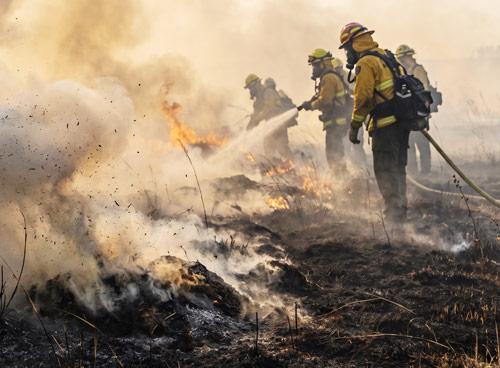
When California enacted SB 901 in 2018, requiring its investor-owned utilities to file comprehensive Wildfire Mitigation Plans (WMPs), the policy read as a California response to a California crisis.
The Camp Fire later that year, which destroyed the town of Paradise and killed 85 people, brought that urgency into utility front offices and legislatures nationwide. Wildfire was no longer an episodic reliability event but an existential threat to utility operations, customer safety, and the traditional utility business model.
Since then, Oregon, Utah, Nevada, Colorado, Hawaii, Idaho, Montana, Texas, Washington, and Wyoming have enacted similar requirements, and Arizona, Kansas, New Mexico, and Missouri are investigating them.
A Pacific Northwest National Laboratory database tracks nearly 500 WMP filings, 178 unique filers across 20 states, with the Pacific Coast and Mountain West accounting for nearly all activity. The WMP has become a standard regulatory tool in wildfire-exposed regions, but the practice is still evolving.