

Each Produced Enormous Change. What About Now?
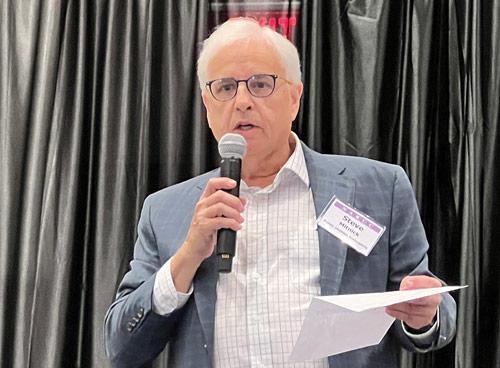
Steve Mitnick has authored five books on the economics, history, and people of the utilities industries. While in the consulting practice leadership of McKinsey & Co. and Marsh & McLennan, he advised utility leaders. He led a transmission development company and was a New York Governor’s chief energy advisor. Mitnick was an expert witness appearing before utility regulatory commissions of six states, D.C., FERC, and in Canada, and taught microeconomics, macroeconomics, and statistics at Georgetown University.
We are facing, arguably, the fourth affordability crisis in our industry’s history. Each of the first three produced enormous change. Will the fourth?
The first affordability crisis took place during the Panic of 1907, a devastating downturn in the nation’s economy. The broken banking system couldn’t continue to provide capital to the electric companies, bringing to a screeching halt the expansion of electric service beyond the wealthiest communities.
So, the legislatures of California, New York and Wisconsin passed laws that year enacting utility regulation. Electric company exec Samuel Insull had proposed this model nine years earlier, without any traction until capital for the industry ran dry during the Panic.
In those three states, and soon in all states, state regulatory commissions assumed the power to set electric company prices. And each designated communities within their state where a now-regulated company would be the sole provider of electric service.