
Islands in the Storm
Microgrids begin to make economic sense.
With microgrids in place, doomsday preppers wouldn't need to worry so much about a zombie plague.


Microgrids begin to make economic sense.

Could carbon taxes emerge in the election aftermath?
Since Obama won reelection, we must ask whether we’d rather have EPA cracking down on carbon emissions, or whether a legislated framework would be better for everyone.

Portfolio planning in the age of gas.
PUCs are concerned that a rapid shutdown of coal-fired plants will start a full-tilt dash to gas—similar to the one that caused bankruptcies among independent power producers in the late 1990s and early 2000s. But this time around, ratepayers and not IPP investors will be stuck with the risk, if utilities rush to add all that new gas-fired capacity to rate base.
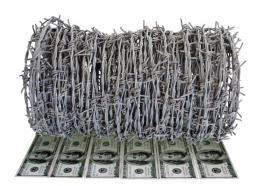
What happens when the Bush tax cuts expire?
Congress again is embroiled in another hyper-partisan food fight that threatens to blow up into a fiscal crisis. And once again dividend-paying companies like utilities are caught in the crossfire.
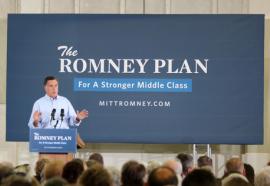
Bold plan for independence, or more partisan overreach?

Rising expectations in the Dog Days of summer.
Yet another sweltering summer is causing its share of outages and supply problems, with predictable backlash from customers and policy makers. And with the advances we’ve seen in recent years, perhaps again we should be asking whether we’re adequately focused on our most critical mission: keeping the power on.
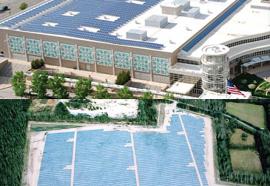
Utilities sound the alarm as PV nears grid parity.
A growing wave of rooftop PV projects is starting to look ominous to some utilities. Will lawmakers accept utilities’ warnings at face value—or will they suspect they’re crying wolf?
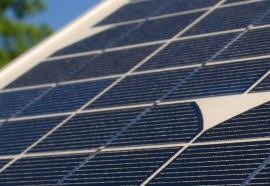
Distributed solar might be a game changer, but at what cost?
My friend Reggie recently asked me for advice about installing photovoltaic (PV) panels on the roof of his boathouse on the river. It has no electricity now, but he wants just enough PV to power a few lights, an automatic garage door opener, and the occasional power tool. I told Reggie the same thing I tell everybody who asks me about rooftop solar: it's exciting but still expensive. Then Reggie explained why I was wrong.

Election politics almost killed a great idea.
Beacon Power filed bankruptcy last fall, amid a political firestorm sparked by Solyndra’s demise. But should the company have received a bailout, so it could continue operating until FERC’s new pay-for-performance rules take effect?

Can utilities put EV batteries in the rate base?
Thomas Edison once hoped to make a fortune in the auto business—selling electric cars. Of course it never happened; he and Henry Ford tried and failed to bring a low-cost electric car to market. They scuttled the project after investing $1.5 million toward the effort—more than $32 million in today’s dollars. Edison’s nickel-iron batteries just couldn't match the performance of Ford’s petrol-powered bang-bang.