Generation & Markets

2025: A Murky Mix

Which power technologies will dominate?

U.S. power-plant construction tends to follow fads. Identifying these trends is easier than determining the primary drivers and issues that contributed to them. Understanding how these drivers affect power-planning decisions can help utilities predict generation-construction trends in the future and avoid getting caught in a group-think trap.


Keep Your Eye on the South

The Southeast again is the battleground for fuels, technology, and market structure.

One sure sign of recovery in boom-and-bust power-generation markets is the renewed growth in the planning and construction of power plants. Active efforts are underway in generation development in the Southeast markets in spite of the high levels of generating reserve margins. With its traditional utility-dominated market structure and a preference for baseload generation, the Southeast is the battleground for the next round of power-generation development.

Supply Markets Gone Wild

Five effective strategies for managing escalating input costs.

It is time to adapt to new rules of the game, and change procurement tactics. Read these five effective strategies for managing escalating input costs.

Power-Plant Development: Raising the Stakes

Duke Energy’s Jim Turner and other utility executives weigh the odds on billion-dollar bets.

The heavy investment required for new generation technologies clearly is a global phenomenon, but global-resource competition to build power plants is making power-plant development more expensive—and may even limit the number that any one utility in any one country can develop.

Garbage In, Power Out: How Trash Can Power Ethanol Plants

A win-win situation for the local government, utilities, and industry.

Ethanol plants either are operating, under construction, or planned for several areas in the Midwest. These same areas also have municipal solid waste (MSW) produced daily in an existing landfill. In addition, these areas have a need for establishing or extending a landfill.

As an alternative to the existing concept of a landfill, plasma-arc technology has been applied to the treatment of MSW. Known as plasma-arc gasification for the treatment of MSW, this recent development would eliminate or minimize the need for a landfill.

Don't Mess With Texas

America’s energy competition laboratory prepares to build.

The ERCOT region remains a living example of how to make a successful transition to restructured wholesale and retail markets for electricity. At the same time, the market continues to witness some significant developments. Sights are turning from recovery to the next stage of the power business cycle: The Buildup.

America's Resource Mix

Wind gains, but won’t soon alter the fuel mix.

Some power markets may be seeing possible signs of recovery. Spark spreads appear to have bottomed out, and reserve margins have begun to fall in some markets. As Figure 1 shows, recovery is uneven, with many regions still experiencing excess supply and a few regions with peak reserves under 10 percent.

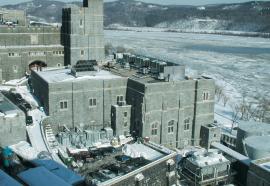
Synchronizing on West Point

Could local generators be used either to regulate voltage or control the power factor on distribution systems in New York?

Reactive power is becoming a hot issue in many regions of the country. Regulators and grid operators are grappling with ways to account fairly for reactive power supplies, and to encourage such resources to come online where they are needed. These analyses, however, are largely ignoring a vast fleet of infrastructure already installed on the network. West Point military academy, for example, has four small synchronous generators that are used for combined heat and power or emergency power applications. If these generators also were used as synchronous condensers, they might supply additional revenue to pay for the distributed energy investment.

BGS Auctions: What Price Is Right?

How to price new load-servicing contracts while incorporating market-risk analysis into such deals.

Why have basic generation service auctions historically been overly competitive given the prevailing market prices at the time? Here are four steps to determine correctly what should the bid price should be.